
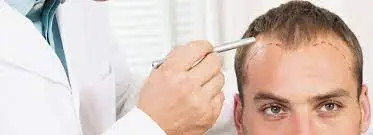
Air pollution is one of the most significant environmental factors driving hair loss today. Specifically, tiny particles and chemicals — including dust, smoke, and harmful gases — settle on the scalp and hair shaft. Here is how pollution causes damage:
Scalp Irritation: Pollutants trigger inflammation and itching on the scalp. As a result, the hair growth cycle is disrupted and shedding increases.
Oxidative Stress: Free radicals from polluted air attack hair follicle cells. Consequently, this weakens the hair shaft and accelerates thinning over time.
Blocked Follicles: Pollution combines with sebum and dead skin cells to clog hair follicles. Therefore, hair growth slows and individual strands become weaker and more prone to breakage.
Excessive UV radiation from the sun damages hair just as it damages skin. In fact, most people protect their skin from the sun but neglect their hair entirely. Here is what UV exposure does:
Protein Breakdown: UV rays break down the keratin structure of hair. As a result, strands weaken, split ends increase, and breakage becomes more frequent.
Dryness and Colour Fading: Sun exposure strips hair of its natural oils, leaving it dry and unmanageable. Furthermore, UV radiation fades both natural and colour-treated hair more quickly.
Scalp Damage: Sunburn on the scalp damages follicles directly. Therefore, prolonged unprotected sun exposure can contribute to permanent follicle damage over time.
The quality of water you use to wash your hair significantly affects its health. In particular, hard water — which contains high levels of calcium and magnesium — is a common yet overlooked environmental factor in hair loss:
Mineral Build-Up: Hard water leaves mineral deposits on the scalp and hair shaft. As a result, follicles become clogged and hair loses its natural shine and softness.
Dryness and Brittleness: Minerals in hard water strip hair of natural moisture. Consequently, hair becomes dry, brittle, and far more prone to breakage and thinning.
Colour Fading: For colour-treated hair, hard water causes faster fading. Furthermore, minerals interfere with the hair’s ability to hold onto dye, reducing the longevity of colour treatments.
Wind: Windy conditions tangle and stress hair repeatedly. As a result, the hair cuticle lifts, causing dullness, roughness, and increased breakage over time.
Chlorine: Chlorine in swimming pools strips hair of its natural oils. Consequently, frequent swimmers often experience dry, brittle hair that breaks easily.
Household Chemicals: Cleaning products, pesticides, and industrial pollutants irritate the scalp and damage follicles. Therefore, protective measures are important for those with regular chemical exposure.
The good news is that you can take practical steps to reduce the impact of environmental factors and hair loss. In particular, here are the most effective strategies:
Use Protective Hair Products: Choose products with UV filters, antioxidants, and moisturisers. As a result, your hair builds a shield against pollution, sun damage, and harsh weather.
Wear a Hat or Scarf: Cover your hair outdoors — especially in strong sunlight or wind. Furthermore, a loose-fitting hat protects both the scalp and hair without causing traction.
Filter Your Water: Install a shower filter or water softener if you live in a hard water area. As a result, mineral build-up reduces and your hair retains more of its natural moisture.
Clarify Regularly: Use a clarifying shampoo once a week to remove build-up from pollution, hard water, and styling products. Therefore, your scalp stays clean and your follicles remain unblocked.
Moisturise and Deep Condition: Regular conditioning treatments restore moisture stripped by environmental exposure. Furthermore, deep conditioning once a week provides extra protection for dry or brittle hair.
Limit Heat Styling: Heat tools add stress to hair already weakened by environmental damage. Therefore, reduce heat styling frequency and always use a heat protectant spray before styling.
Rinse After Swimming: Always rinse hair thoroughly with clean water after swimming in a chlorinated pool. Furthermore, applying a leave-in conditioner before swimming helps protect hair from chlorine absorption.
If environmental damage has already caused significant hair loss, professional treatment can help reverse it. In fact, at Unique Cosmetology in Midrand, we offer several effective solutions:
Scalp Micro Needling — stimulates collagen production and revitalises follicles damaged by environmental stress. Furthermore, it improves scalp circulation and supports new hair growth.
PRP Therapy — uses your own platelet-rich plasma to reactivate dormant follicles and promote natural regrowth.
Scalp Micro Pigmentation — creates the appearance of a fuller scalp for those with significant thinning caused by environmental damage.
Laser Therapy for Hair Growth — reactivates weakened follicles using gentle laser energy. As a result, hair regrows thicker and stronger over time.
Environmental factors and hair loss go hand in hand — but awareness and early action make all the difference. In fact, by understanding how pollution, UV radiation, water quality, and climate affect your hair, you can take targeted steps to protect it. Furthermore, combining good daily habits with professional treatment delivers the best long-term results.
If you notice significant hair loss or damage, do not wait — consult a hair specialist at Unique Cosmetology in Midrand today. Therefore, book your free consultation and let our team create a personalised plan to help you protect and restore your hair from environmental damage!

Complete the form and subscribe. You’ll be first to hear about new offers, promotion and anything Unique! Stay tuned for exclusive updates and offers.
