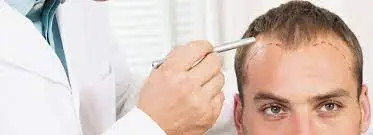
Environmental Factors and Hair Loss: How Your Surroundings Affect Your Hair

Environmental Factors and Hair Loss: While genetics, hormones, and diet are well-known contributors to hair health, environmental factors also play a significant role in hair loss. The environment we live in can affect the health of our hair in numerous ways, from exposure to pollution and UV radiation to the water quality in our homes. This article will explore how various environmental factors contribute to hair loss and what you can do to protect your hair from these external threats.

Environmental Factors and Hair Loss: Pollution and Hair Loss

Air pollution is one of the most significant environmental factors affecting hair health. The tiny particles and chemicals in polluted air, such as dust, smoke, and harmful gases, can settle on the scalp and hair, leading to several issues:

  • Scalp Irritation: Pollutants can irritate the scalp, causing inflammation, itchiness, and flakiness. An unhealthy scalp can disrupt the hair growth cycle, leading to hair loss.
  • Oxidative Stress: Pollution can cause oxidative stress, which occurs when harmful free radicals attack the cells in the body. This can damage hair follicles, weaken the hair shaft, and contribute to thinning and loss.
  • Blocked Hair Follicles: Pollution can also clog hair follicles, leading to a build-up of sebum, dirt, and dead skin cells. This blockage can hinder hair growth and cause hair to become weak and brittle.

Environmental Factors and Hair Loss: UV Radiation and Hair Damage

Excessive exposure to ultraviolet (UV) radiation from the sun can have a detrimental effect on hair health. While we often protect our skin from the sun, our hair is also vulnerable to UV damage:

  • Hair Protein Breakdown: UV rays can break down the protein structure of hair, leading to weakened strands that are more prone to breakage and split ends.
  • Dryness and Fading: Prolonged sun exposure can dry out the hair, stripping it of its natural oils and leaving it frizzy and unmanageable. Additionally, UV radiation can cause hair color, whether natural or dyed, to fade more quickly.
  • Scalp Damage: The scalp can also suffer from sunburn, which can damage hair follicles and potentially lead to hair loss over time.

Environmental Factors and Hair Loss: Water Quality and Hair Health

The quality of water you use to wash your hair can significantly impact its health. Hard water, which contains high levels of minerals like calcium and magnesium, is a common issue in many areas and can contribute to hair problems:

  • Mineral Build-Up: Hard water can leave mineral deposits on the scalp and hair, making it difficult to thoroughly cleanse. This build-up can lead to dull, lifeless hair and may also clog hair follicles, hindering hair growth.
  • Dryness and Brittle Hair: The minerals in hard water can strip hair of its natural moisture, leaving it dry, brittle, and prone to breakage. This can contribute to thinning hair over time.
  • Color Fading: For those who color their hair, hard water can cause color to fade more quickly, as the minerals can interfere with the hair’s ability to hold onto dye.

Environmental Factors and Hair Loss: Climate and Weather Conditions

The climate and weather conditions where you live can also affect your hair health:

  • Humidity: High humidity can cause hair to swell and become frizzy, while excess moisture can weaken the hair shaft, making it more prone to breakage. This is particularly problematic for those with curly or textured hair.
  • Cold Weather: Cold temperatures can dry out hair and scalp, leading to static, split ends, and increased hair breakage. Additionally, wearing tight hats or scarves can contribute to traction alopecia if they pull on the hair too tightly.
  • Wind: Windy conditions can tangle hair, leading to increased breakage and split ends. The friction from the wind can also cause the hair cuticle to lift, making hair appear dull and rough.

Environmental Factors and Hair Loss: Chemical Exposure

Exposure to chemicals in the environment, including those found in everyday products, can also harm hair health:

  • Chlorine: Chlorine in swimming pools is known to strip hair of its natural oils, leading to dryness, brittleness, and potential hair loss. Frequent swimmers often notice that their hair becomes more prone to breakage due to chlorine exposure.
  • Household Chemicals: Chemicals found in household cleaning products, pesticides, and industrial pollutants can also contribute to hair loss by causing scalp irritation or damaging hair follicles.

Environmental Factors and Hair Loss: Protecting Your Hair from Environmental Damage

While environmental factors can be challenging to control, there are several steps you can take to protect your hair from damage:

  • Use Protective Hair Products: Consider using hair products that contain UV filters, antioxidants, and moisturizers to shield your hair from the harmful effects of pollution, sun, and harsh weather.
  • Wear a Hat or Scarf: When spending time outdoors, especially in harsh sunlight or windy conditions, wearing a hat or scarf can provide an extra layer of protection for your hair and scalp.
  • Rinse with Filtered Water: If you live in an area with hard water, consider installing a water softener or using a shower filter to reduce mineral build-up on your hair. Rinsing your hair with filtered water can help prevent dryness and breakage.
  • Clarify Your Hair Regularly: Using a clarifying shampoo once a week can help remove build-up from pollution, hard water, and styling products. This can keep your scalp healthy and your hair looking its best.
  • Moisturize and Condition: Regularly moisturizing and conditioning your hair can help combat dryness and brittleness caused by environmental factors. Deep conditioning treatments can provide extra hydration and protection.
  • Limit Heat Styling: Reducing the use of heat-styling tools like blow dryers, flat irons, and curling irons can help minimize damage to already stressed hair.

Environmental Factors and Hair Loss: Conclusion

Environmental factors such as pollution, UV radiation, water quality, and climate can significantly impact your hair’s health. By understanding how these factors contribute to hair loss and taking proactive steps to protect your hair, you can maintain healthier, stronger hair despite the challenges posed by your surroundings. If you notice significant hair loss or damage, consider consulting a dermatologist or hair specialist to explore more targeted treatments and solutions.

Share and Follow

Unique Cosmetology and Wellness Spa Logo

Avoid delay, get started today and change your life.

Table of Contents

Cresta Help Chat
Send via WhatsApp

Unlock early access to promotions, beauty trends, and insider tips across all our services - hair, skin, nails, aesthetics & more.

Complete the form and subscribe. You’ll be first to hear about new offers, promotion and anything Unique! Stay tuned for exclusive updates and offers.